
 sales@influxxlabs.com
 386 South Abbott Avenue, Milpitas, CA 95035
 +1 (408) 461-7185

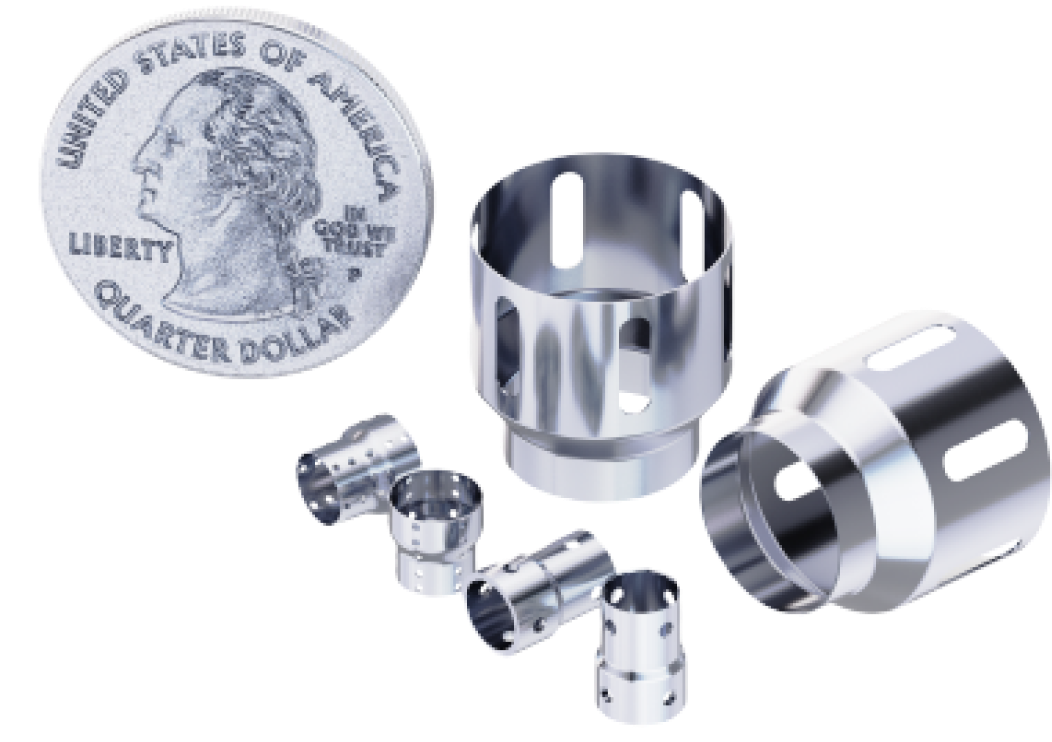
The medical device industry is experiencing a revolution, and at the heart of this transformation lies an unsung hero: CNC machining. As a precision manufacturing technique, CNC machining has become indispensable in creating the intricate components that power today's most advanced medical devices.
Introduction to CNC Machining in Medical Innovation
At Influx Labs, we've witnessed firsthand how CNC machining is reshaping the landscape of medical innovation. Our expertise in providing high-tolerance parts for surgical robots, microfluidics, and blood sample preparation devices has given us a unique perspective on the industry's evolution.
Key Benefits of CNC Machining for Medical Devices
CNC machining offers several crucial advantages that make it ideal for medical device manufacturing:
- Precision and Accuracy: CNC machines consistently produce parts with exceptional accuracy, ensuring the reliability and safety of medical equipment.
- Material Versatility: From biocompatible metals like titanium to high-performance plastics like PEEK, CNC machining can handle a wide range of materials.
- Repeatability: CNC machining excels in producing identical parts over multiple runs, ensuring quality control and regulatory compliance.
- Complex Geometries: It can create intricate 3D shapes that are difficult with traditional manufacturing methods.
- Rapid Prototyping: CNC machining allows for faster iteration and development of medical technologies.
Real-World Applications and Case Studies
CNC machining is revolutionizing applications like:
- Surgical Robotics: Essential for creating precise and durable components in robotic surgical systems.
- Microfluidic Devices: Enables development of lab-on-a-chip technologies by machining microscopic channels.
- Prosthetics and Implants: Creates custom-made designs with biocompatible materials, improving patients' quality of life.
Influx Labs' Expertise and Capabilities
Our state-of-the-art 3-axis CNC vertical mill and 2-axis CNC lathe, coupled with advanced CAM software, allow us to produce components meeting the medical device industry's exacting standards.
We are also pursuing ISO 13485 certification to ensure adherence to strict regulatory requirements.
Future Trends and Opportunities
Emerging trends in CNC machining and medical devices include:
- Integration with 3D Printing: Combining CNC machining with additive manufacturing for complex medical devices.
- Nanotechnology: Developing components at the nanoscale for diagnostics and therapies.
- Smart Materials: Machining materials that enable adaptive medical devices.
- Personalized Medicine: CNC machining aligns with creating custom components quickly and accurately.
Conclusion
CNC machining is an indispensable tool in medical innovation, offering precision, versatility, and reliability.
At Influx Labs, we are committed to pushing the boundaries of what's possible in medical device manufacturing.
The future of healthcare depends on innovations driven by CNC machining, and we're excited to be part of this transformative journey.